

𝗨𝗥𝗟𝘀 𝗗𝗲𝗺𝘆𝘀𝘁𝗶𝗳𝗶𝗲𝗱: 𝗨𝗻𝗱𝗲𝗿𝘀𝘁𝗮𝗻𝗱 𝗪𝗵𝗮𝘁 𝗛𝗮𝗽𝗽𝗲𝗻𝘀 𝗕𝗲𝗵𝗶𝗻𝗱 𝘁𝗵𝗲 𝗟𝗶𝗻𝗸
Ever looked at a URL and wondered what all those slashes, colons, and symbols really mean? 🤔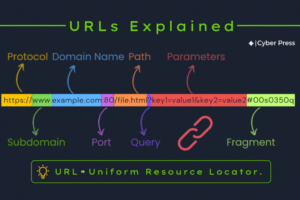
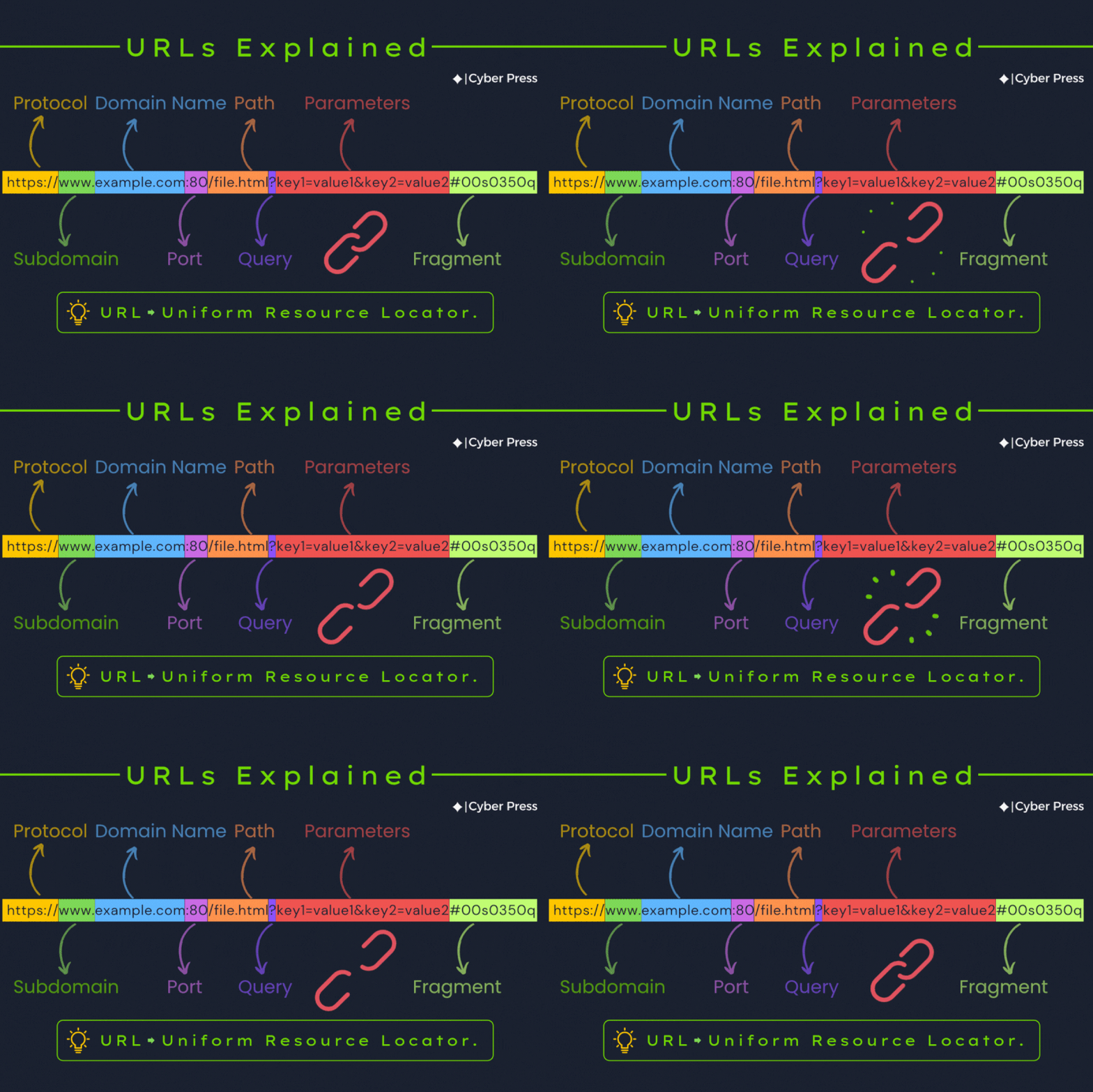
This visual breakdown simplifies the anatomy of a URL so you can understand what each part does:
🔸 Protocol – Defines how data is transferred (e.g., https)
🔸 Subdomain – Optional prefix to organize content (like www)
🔸 Domain Name – The main address you visit (e.g., example.com)
🔸 Port – Communicates which gateway to use (usually hidden)
🔸 Path – The file or resource you’re accessing
🔸 Query – Starts with a “?” and contains parameters
🔸 Parameters – Key-value pairs used to pass data
🔸 Fragment – Jumps to a specific section on the page
📎 URL stands for Uniform Resource Locator – it’s more than just a web address!